Spring allergies in Portland: can acupuncture or naturopathic care help?
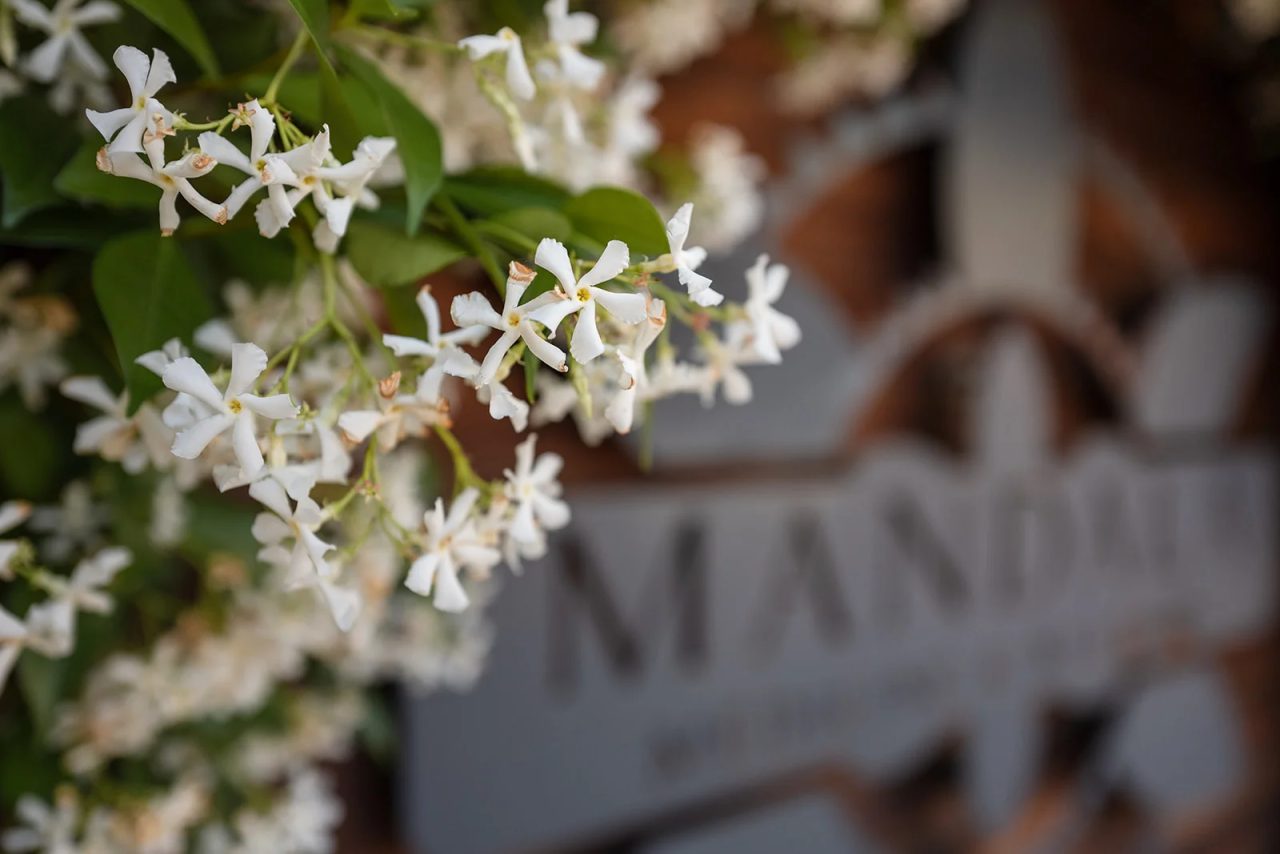
Portland's allergy season does not wait for spring. Alder, among the earliest trees to release pollen in the Willamette Valley, typically gets going in late February, birch and others follow through March and April, and grass takes over from late spring into summer. [1] Oregon Allergy Associates posts a daily count if you want to know what is in the air today. [2]
If you are reading this with itchy eyes, here is the short version.
The short answer: acupuncture has real trial evidence behind it for seasonal allergic rhinitis, the medical name for hay fever. The effect in the largest trial was modest and faded after treatment stopped, so think of it as one tool, not a replacement for your antihistamine or nasal spray. A naturopathic visit can help you sort out triggers, review what you are already taking, and build a plan with your other doctors. Neither cures allergies.
Why Portland is rough on allergy sufferers
Our trees are the problem in spring. Alder arrives first and birch follows close behind, and both grow everywhere along the city's creeks and in its parks. [1] Add a few warm, dry, windy days in March and counts jump. A damp week knocks them down again, which is why symptoms here can swing wildly from one day to the next.
What the research shows for acupuncture and hay fever
The study most doctors cite is a German trial of 422 people with seasonal allergic rhinitis, all sensitized to birch and grass pollen, published in the Annals of Internal Medicine in 2013. Participants got either twelve acupuncture sessions over eight weeks plus an antihistamine as needed, sham acupuncture plus antihistamine, or the antihistamine alone. After eight weeks, the real acupuncture group reported better allergy-specific quality of life and used less antihistamine than either comparison group. By week sixteen, the differences had gone. The next pollen season, after a second course of treatment, there was again a small advantage for real acupuncture over sham. [3]
A 2015 meta-analysis pooled thirteen randomized trials with 2,365 participants and found lower nasal symptom scores and medication use with acupuncture compared with controls. [4] A pooled result is only as sturdy as the trials inside it, so read that as encouraging rather than settled.
What does that mean for you? Mostly that acupuncture is a reasonable thing to try, and that its benefit is likely to show up while you are being treated, not for the rest of your life. The American Academy of Otolaryngology's clinical guideline for allergic rhinitis says exactly this: clinicians may offer acupuncture, or refer to someone who can, for patients who are interested in a non-drug option. The same guideline's strongest recommendation is for a steroid nasal spray when symptoms affect your quality of life. [5] Both can be true.
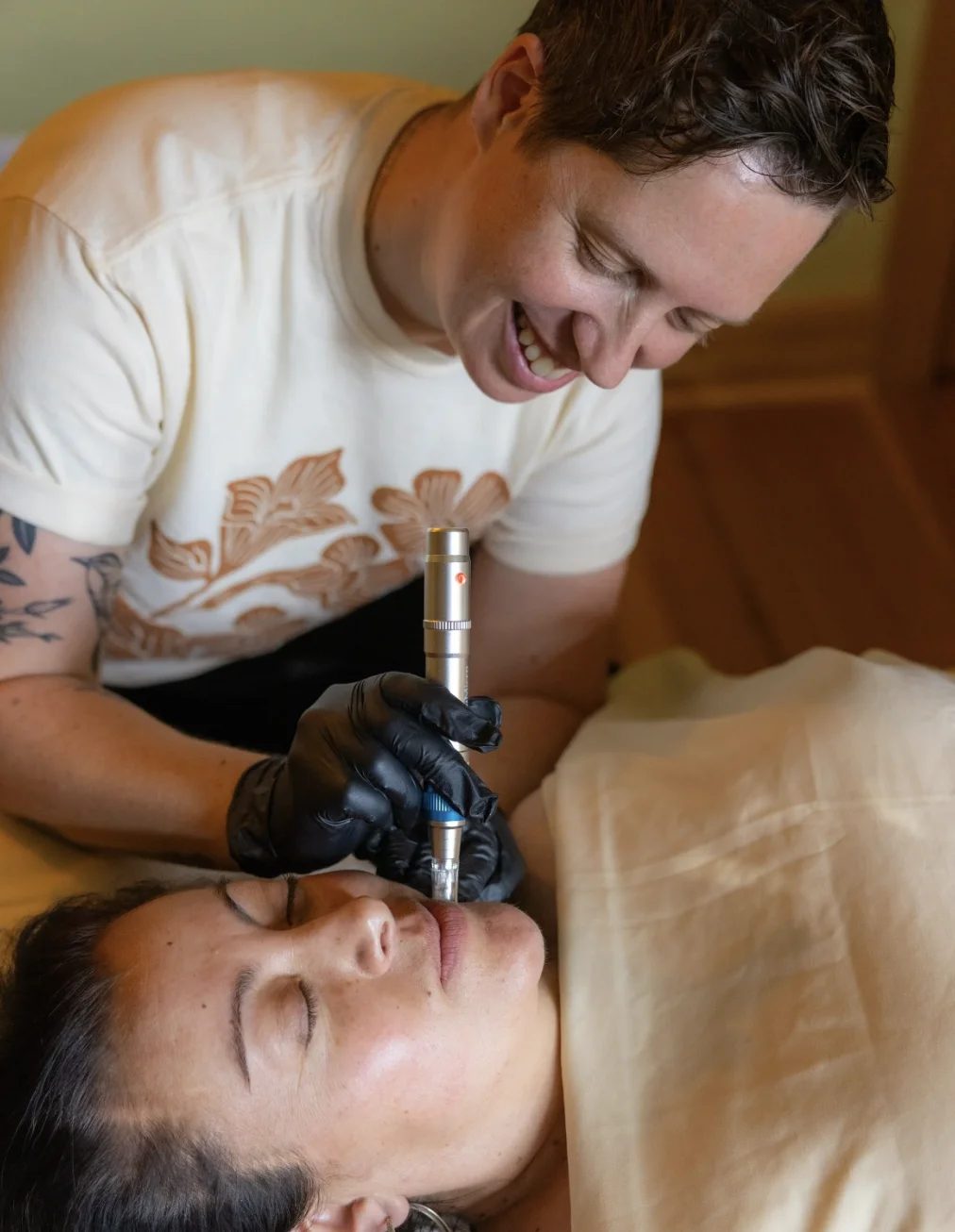
At Mandala, acupuncture visits run 75 minutes the first time and 60 after that. Allergic rhinitis is on the World Health Organization's list of conditions where acupuncture has been studied, and our acupuncturists see a steady run of stuffy, sneezing people every March.
What a naturopathic visit adds
Naturopathic doctors in Oregon are licensed providers who can diagnose, order labs, prescribe, and refer, and the part of their training that matters most for allergies is the time they spend on history. A first visit here is unhurried. Expect questions about when your symptoms start and stop, where you sleep, what you eat, which medications and supplements you already take, and what has and has not worked.
From there, a plan usually covers the boring, effective basics first: timing of your antihistamine or nasal spray, saline rinses, keeping windows shut on high-count days, showering before bed during tree season. If a supplement comes up, your doctor should tell you plainly that the evidence for most allergy supplements is thin. We would rather you spend money on a good nasal spray than on a bottle of hope.
What a naturopathic doctor will not do is tell you to stop a medication that is working without talking to the prescriber. If testing is warranted, they can order it or refer you to an allergist.
When to see your MD instead
Some symptoms are not a job for acupuncture or lifestyle changes:
- Wheezing, chest tightness, or shortness of breath. Allergies and asthma travel together, and asthma needs a physician.
- Swelling of the lips or throat, or hives after eating. That is a different kind of reaction and can be an emergency. Call 911.
- Sinus pain with fever or thick colored discharge lasting more than ten days, which may be an infection.
- Symptoms that are new, severe, or not responding to over-the-counter treatment after a couple of weeks.
Bring those to your primary care doctor or an allergist first. We are glad to work alongside them.
If you are new to Mandala, the first-visit checklist explains the intake form and scheduling, and the insurance chart shows which practitioners take your plan. Acupuncture and naturopathic coverage differ by practitioner, so check before you book.
Allergy season in Portland runs long. If you want company for it, book an acupuncture visit or a naturopathic consult and we will start with the basics.
Sources
- Shah M (MD, ENT). "Oregon Allergy Season: Symptoms & Treatment," Wyndly, updated 2025-04-08 (alder and birch from late February; other trees March to April; grass peaking in June). https://www.wyndly.com/blogs/locations/oregon
- Oregon Allergy Associates, daily pollen count page (Willamette Valley practice; counts are regional, not Portland-specific). https://www.oregonallergyassociates.com/pollen-count/
- Brinkhaus B, Ortiz M, Witt CM, et al. "Acupuncture in patients with seasonal allergic rhinitis: a randomized trial." Annals of Internal Medicine, 2013-02-19;158(4):225-234. PMID 23420231.
- Feng S, Han M, Fan Y, et al. "Acupuncture for the treatment of allergic rhinitis: a systematic review and meta-analysis." American Journal of Rhinology & Allergy, 2015;29(1):57-62. PMID 25590322.
- Seidman MD, Gurgel RK, Lin SY, et al. "Clinical practice guideline: Allergic rhinitis." Otolaryngology–Head and Neck Surgery, 2015;152(1 Suppl):S1-43 (AAO-HNSF). PMID 25644617.
- Mandala Medicine & Wellness, acupuncture and naturopathic medicine service pages (visit lengths, ND scope), read 2026-10-07. https://mandalamed.com/services/acupuncture and https://mandalamed.com/services/naturopathic-medicine
Questions
The largest trial used twelve sessions over eight weeks, and the benefit was measured at the end of that course. Many people start a few weeks before their worst month and continue through it. Your acupuncturist will suggest a schedule after your first visit; there is no fixed number.
No, and we would not suggest it. In the German trial, people receiving acupuncture used less antihistamine, but they still had it available. Keep what works and talk with your prescriber before changing anything.
No. Allergies are an immune response, and nothing we offer switches it off. A naturopathic doctor can help you reduce exposure, time your medications well, and look for anything else going on, and can refer you to an allergist for testing or immunotherapy.
Alder and birch are the usual early culprits, with other trees joining through March and April; grass pollen peaks in early summer. A regional daily pollen count, such as the one Oregon Allergy Associates posts, will tell you what is high this week.
Coverage depends on your plan and your practitioner, not on the condition. Our acupuncturists are in network with most major plans; check the insurance chart or call the front desk at 503-758-9760 and we will verify your benefits before your first visit.