Gut health and naturopathic medicine: what a first visit actually looks like
"Gut health" has become a phrase that sells powders. Underneath the marketing is a real set of complaints we see every week: bloating that arrives by afternoon, bowels that will not settle into a pattern, reflux, the sense that food is doing something to your mood. This is what a naturopathic visit for those complaints looks like at our clinic, and what it does not.
The short answer: a naturopathic doctor takes a long history, rules out the things that need a specialist, orders standard labs where they are warranted, and then works through diet, timing, stress, and sleep in a structured way. The evidence-backed tools are mostly unglamorous. There is no cure-all test and no supplement that fixes everyone, and anyone who tells you otherwise is selling one.
How common this is
Digestive complaints without an obvious structural cause are extremely common. A 2021 global survey using the Rome IV criteria found that between roughly 20 and 40 percent of adults, depending on how they were surveyed, met criteria for at least one disorder of gut-brain interaction, the current name for conditions like irritable bowel syndrome and functional dyspepsia, with IBS itself at about 4 percent in the online survey. [1] That is a lot of people living with symptoms a scope did not explain.
What the first visit involves
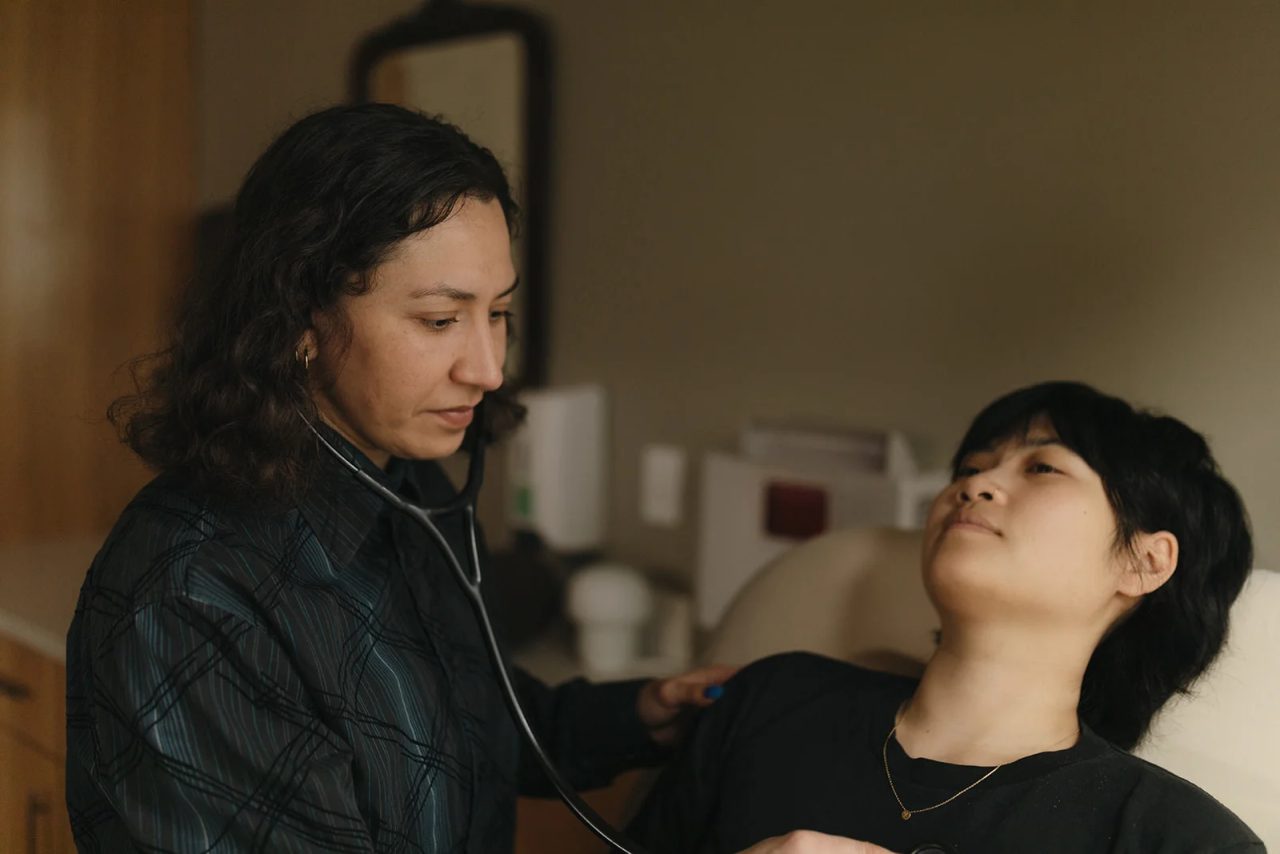
Naturopathic doctors in Oregon are licensed to diagnose, order labs and imaging, prescribe, and refer. [2] Our gut-focused visits are with Dr. Nicole Priscal, ND, whose practice centers on gastrointestinal, metabolic, and mental health through lifestyle medicine; she trained at the National University of Natural Medicine here in Portland and completed a residency at the Portland Clinic of Holistic Health. [3]
The first visit is long on listening. Expect questions in this order of priority:
- Red flags. Blood in the stool, unintended weight loss, symptoms that wake you at night, a family history of colon cancer or inflammatory bowel disease, new symptoms after 50. Any of these redirects the visit toward a gastroenterology referral before anything else.
- Pattern. When it started, what it does over a day and a month, how it relates to meals, stress, sleep, travel, your cycle.
- Everything you take. Medications, supplements, the powders. Several common ones cause the very symptoms people buy them to treat.
- Diet, honestly. Not to judge it, but because the most effective changes are specific and temporary, and they start from what you actually eat.
Then a plan. For many people the first step is a positive diagnosis rather than more tests. The American College of Gastroenterology's 2021 IBS guideline recommends diagnosing IBS from the symptom pattern after a few targeted labs, rather than a long exclusion hunt, and, when diarrhea predominates, specifically suggests testing for celiac disease and checking a stool marker for inflammation. [4] A naturopathic doctor can order both.
What the evidence supports
For IBS specifically, the same guideline supports several things a naturopathic doctor will reach for first:
- A limited trial of a low-FODMAP diet, meaning a few weeks of restriction followed by structured reintroduction, not a permanent change. [4]
- Soluble fiber such as psyllium, as opposed to insoluble bran, which often makes bloating worse. [4]
- Peppermint oil for overall symptom relief. [4]
- Gut-directed psychotherapies, because the nervous system and the bowel talk constantly, and that conversation can be treated. [4]
And some things it does not support. The guideline recommends against probiotics for global IBS symptoms, on the grounds that the trials are inconsistent and the products too varied to recommend as a class. [4, 5] We say that plainly because the probiotic aisle is where a lot of money goes. If Dr. Priscal suggests a specific strain for a specific reason, she will tell you what the reason is. On acupuncture for IBS, the NIH's summary of the research is that it has not performed better than sham acupuncture, though some people report feeling better with it; our acupuncture team does see digestive complaints, and we tell patients exactly that. [5]
What about reflux, bloating, and "food sensitivities"?
Reflux has its own red flags (trouble swallowing, pain with swallowing, vomiting, weight loss) and its own well-studied treatments; a naturopathic doctor can manage mild cases and will refer the rest. Bloating is usually a pattern problem rather than a single culprit, and a short food-and-symptom diary tends to reveal more than any test.
On food sensitivity tests, the mail-in panels that measure IgG antibodies to dozens of foods: major allergy societies consider them unvalidated, because IgG to a food mostly reflects having eaten it. Ask what a test will change before you pay for one. Celiac testing, lactose breath testing, and a supervised elimination are the tools with evidence behind them.
The order and the labs depend on your history; this is the general shape of a first visit, not a script.
Working with your other doctors
Naturopathic doctors here are not primary care providers, and gut work goes better when everyone is in the loop. Dr. Priscal coordinates with your PCP and your gastroenterologist when you have one, and your records are available through the Charm patient portal so you can share them. [2] Our earlier post on naturopathic medicine as a first step in prevention explains how that fits with the rest of your care.
If you are new, the first-visit checklist covers the intake form, which matters more for gut visits than most: the more you write down ahead of time, the more of the visit goes to your plan.
Tired of guessing at your stomach? Book a naturopathic visit with Dr. Priscal and bring a week of notes on what you ate and how you felt.
Sources
- Sperber AD, Bangdiwala SI, Drossman DA, et al. "Worldwide Prevalence and Burden of Functional Gastrointestinal Disorders, Results of Rome Foundation Global Study." Gastroenterology, 2021;160(1):99-114. PMID 32294476.
- Mandala Medicine & Wellness, naturopathic medicine service page (scope: diagnose, order labs, prescribe, refer; not primary care; patient portal), read 2026-10-07. https://mandalamed.com/services/naturopathic-medicine
- Mandala Medicine & Wellness, Dr. Nicole Priscal, ND bio (NUNM, residency, GI/metabolic/mental health focus, lifestyle medicine), read 2026-10-07. https://mandalamed.com/practitioners/nicole-priscal
- Lacy BE, Pimentel M, Brenner DM, et al. "ACG Clinical Guideline: Management of Irritable Bowel Syndrome." American Journal of Gastroenterology, 2021;116(1):17-44. PMID 33315591.
- National Center for Complementary and Integrative Health (NIH), "Irritable Bowel Syndrome: In Depth" (ACG against probiotics for global symptoms; acupuncture not better than sham), page updated April 2023. https://www.nccih.nih.gov/health/irritable-bowel-syndrome-in-depth
Questions
Yes. Naturopathic doctors in Oregon are licensed to diagnose and to order the labs current guidelines recommend, such as celiac serology and a stool inflammation marker where your symptoms call for them. If anything in your history points toward a condition that needs a scope, you will be referred to a gastroenterologist.
Not permanently. Where a low-FODMAP trial is used, it is short, structured, and followed by reintroduction so you end up with the shortest list of foods to avoid, not the longest.
The current ACG guideline recommends against probiotics for overall IBS symptoms because the evidence is inconsistent. If one is suggested, ask what it is for specifically. Fiber, peppermint oil, and stress work have better support for most people.
Often fewer than you expect. A positive diagnosis from your symptom pattern, plus celiac testing and sometimes a stool marker, is the guideline-backed starting point. More testing happens when your history calls for it, not as a default panel.
Coverage for naturopathic care varies by plan and practitioner. Check the insurance page or call the front desk at 503-758-9760 and we will verify your benefits before you book.