Use it or lose it: spending your FSA or HSA on care that counts before December

Every autumn someone at the front desk says, "I just found out I have $600 left in my FSA and I lose it in December." The rules behind that sentence are more generous than most people think, and less generous than they hope. Here is what the IRS actually says, and what it means for care at our clinic.
The short answer: health FSA money generally disappears at the end of your plan year unless your employer offers a grace period or a limited carryover. Acupuncture is on the IRS's list of qualified medical expenses by name. Physical therapy and visits with a naturopathic doctor for a medical condition qualify in the ordinary way. Massage qualifies only when it is for a diagnosed condition, usually with a letter from a provider. Cosmetic microneedling does not. This is general information, not tax advice, and your plan administrator has the final word.
FSA versus HSA, in one paragraph
A health flexible spending account is funded through your employer by payroll deduction, and the balance is tied to the plan year. For 2026 the maximum you can put in is $3,400; the IRS usually publishes the following year's figure in late October. [1] A health savings account is yours, goes with you between jobs, and never expires; it requires a high-deductible health plan. [2] The "use it or lose it" problem belongs to the FSA. If you have an HSA, there is no December cliff, though the list of what you can spend it on is the same.
The use-it-or-lose-it rule, and its two exceptions
IRS Publication 969 puts it plainly: amounts left in a health FSA at the end of the plan year are generally forfeited. Two exceptions exist, and a plan can offer one or the other, not both: [2]
- A grace period of up to two and a half months after the plan year ends, during which you can still incur expenses against last year's balance. For a calendar-year plan, that means until mid-March.
- A carryover of a limited amount into the next year: up to $660 for 2025 plan years and $680 for 2026. [1, 2] Anything above the cap is forfeited.
Which one you have, if either, is in your plan documents or a quick email to HR. Do not assume. Many plans offer neither.
What qualifies: acupuncture, PT, naturopathic visits
The IRS's definition of a medical expense is care "primarily to alleviate or prevent a physical or mental disability or illness," and it adds that expenses "merely beneficial to general health" do not count. [3] Within that frame:
Acupuncture is listed by name. Publication 502 states: "You can include in medical expenses the amount you pay for acupuncture." [3] That makes an acupuncture visit one of the cleanest uses of a year-end balance.
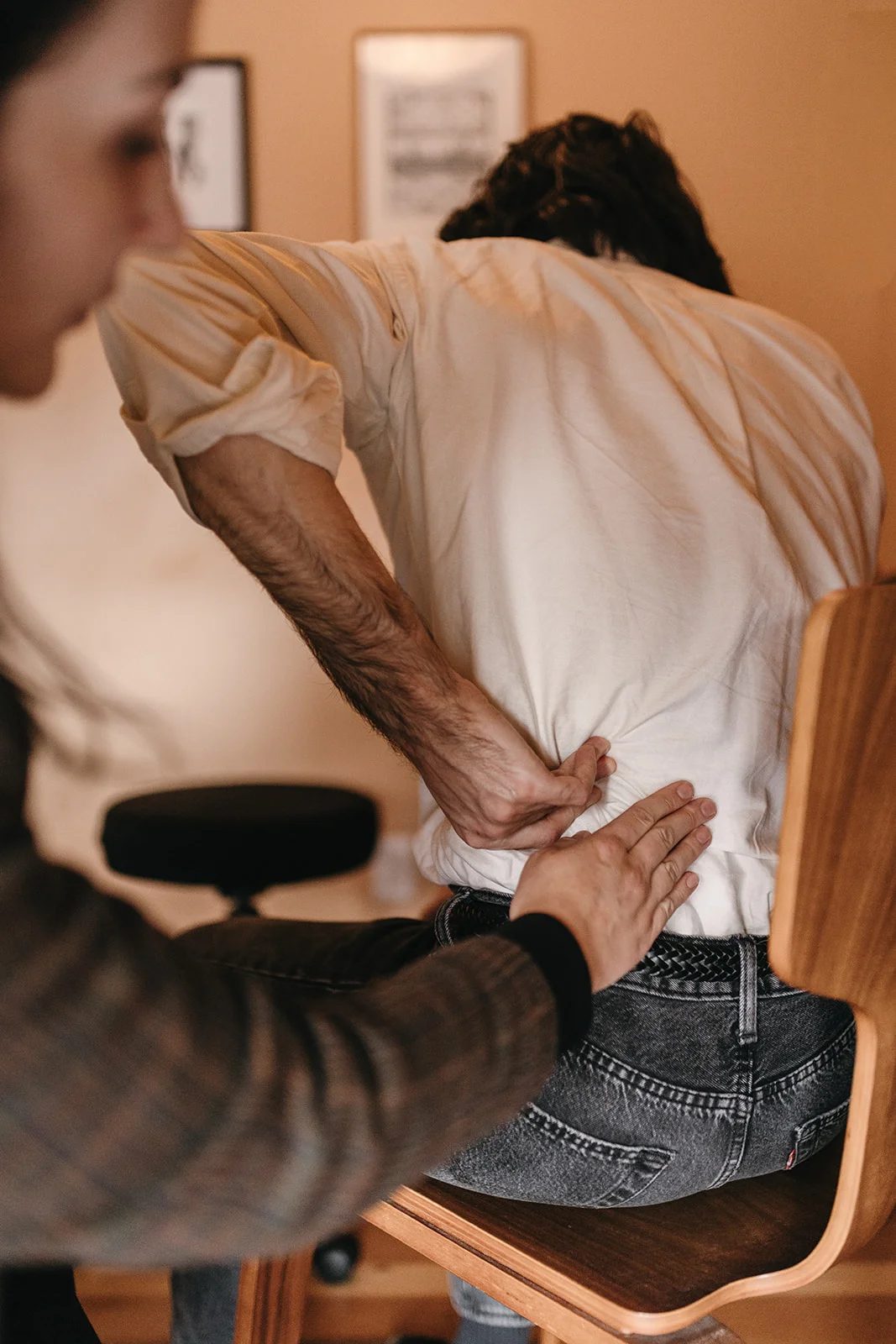
Physical therapy for an injury or condition is routine medical care and qualifies without special paperwork. Our physical therapy page notes that HSA and FSA payments are accepted. [4]
Naturopathic visits for a diagnosed condition qualify the same way a visit to any licensed provider does. Oregon licenses naturopathic doctors to diagnose, order labs, and prescribe, and visits to our naturopathic doctors for a medical concern fit the IRS definition. A visit purely for general wellness, with no condition being treated, is harder to defend, and your administrator may ask.
Counseling. Mental health treatment with a licensed counselor qualifies; our counseling sessions with a Licensed Professional Counselor fall within it.
Massage: the one that needs a letter
Massage is the question we get most, and the honest answer is "it depends on why." The word "massage" does not appear in Publication 502. Massage for relaxation or general wellness is "merely beneficial to general health" and does not qualify. [3] Massage to treat a diagnosed condition, such as a back injury, chronic pain, or a condition a provider is managing, can qualify, and plan administrators commonly ask for a letter of medical necessity from a licensed provider stating the diagnosis, the recommended treatment, and the duration.
If you think your massage care fits that description, ask the provider treating your condition for the letter before you pay, and keep it with your receipt. We cannot write one for a condition we are not treating.
What does not qualify
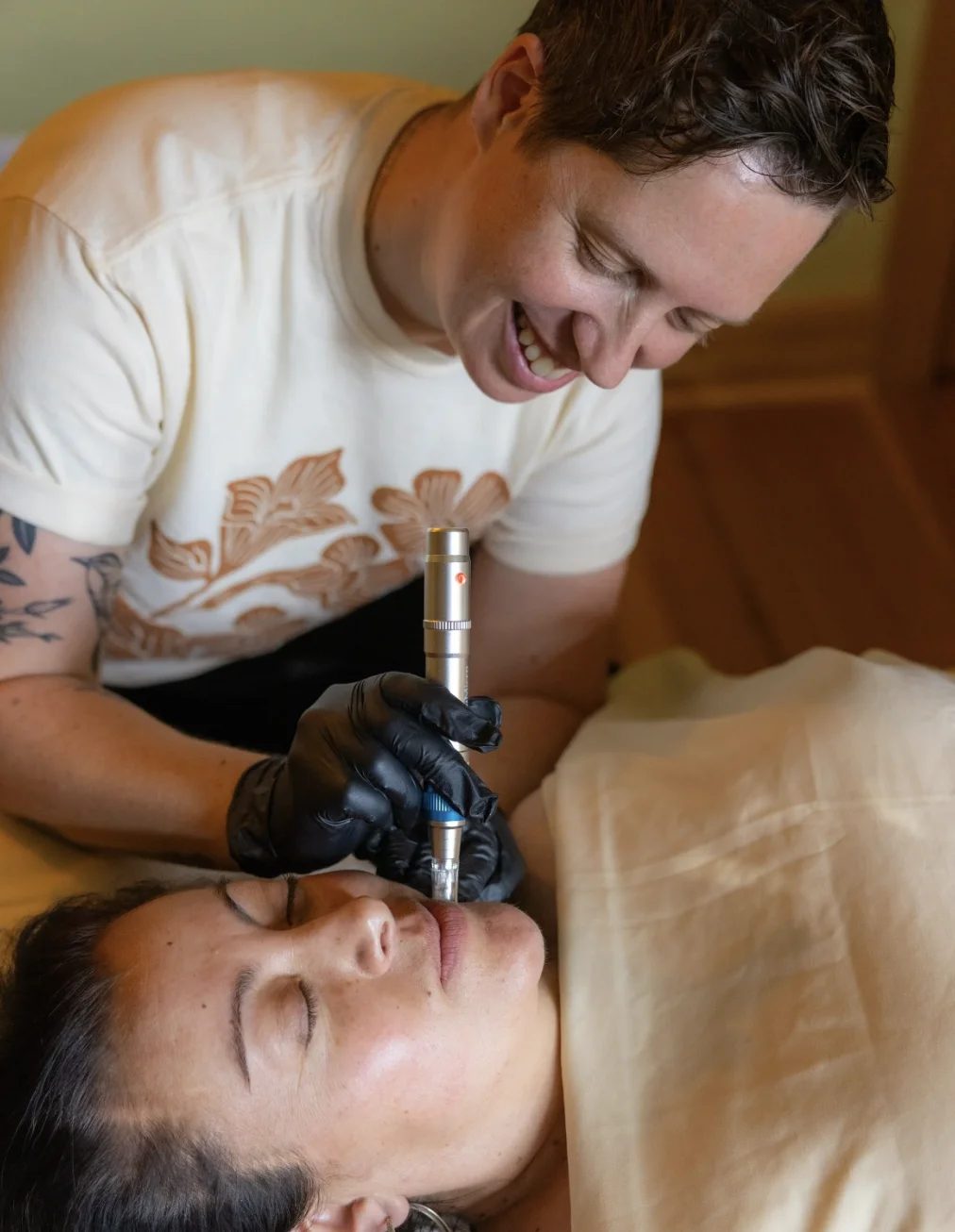
Cosmetic procedures. Publication 502 excludes "cosmetic surgery" and procedures "directed at improving the patient's appearance" that do not treat disease or deformity. [3] Microneedling for fine lines or texture is in that category. The front desk can run an HSA or FSA card for it, but that does not make it a qualified expense; check with your plan administrator before you use one. Vitamins and supplements for general health, gym memberships, and most over-the-counter wellness products are out as well.
How to pay with your card at Mandala

Your FSA or HSA debit card runs like any other card at the front desk. If your plan asks for substantiation afterward, or if you pay another way and want to submit a claim, you will need an itemized receipt showing the date, the service, the provider, and the amount. Ask the front desk for an itemized receipt; if your plan needs a diagnosis code or a superbill, say so when you ask, and call ahead if you are not sure what your plan requires.
Insurance and FSA money stack: if a visit has a copay, the copay can go on the card. Which practitioners take which plans is on the insurance page, and if you are new, the first-visit checklist covers intake and scheduling. The front desk is open Monday through Friday 9 to 5 and Saturday 9 to 3 at 503-758-9760 for benefit questions, and the holidays shorten December, so a balance you discover in November is easier to use if you book early.
Found a balance? Book an acupuncture visit, a physical therapy session, or a naturopathic consult before the calendar runs out, and bring the card.
Sources
- Internal Revenue Service, Revenue Procedure 2025-32, section .15, "Cafeteria Plans" (2026 health FSA salary reduction limit $3,400; maximum carryover $680), released October 2025. https://www.irs.gov/pub/irs-drop/rp-25-32.pdf
- Internal Revenue Service, Publication 969, "Health Savings Accounts and Other Tax-Favored Health Plans" (for use in preparing 2025 returns): FSA forfeiture rule, grace period up to 2½ months, carryover (2025 maximum $660), one or the other. https://www.irs.gov/publications/p969
- Internal Revenue Service, Publication 502, "Medical and Dental Expenses" (for use in preparing 2025 returns): definition of medical expenses; acupuncture includible; cosmetic procedures excluded; "massage" not listed. https://www.irs.gov/pub/irs-pdf/p502.pdf
- Mandala Medicine & Wellness, physical therapy service page ("We also accept HSA and FSA payments"), insurance page, and front desk hours, read 2026-10-07. https://mandalamed.com/services/physical-therapy and https://mandalamed.com/insurance
Questions
Yes. The IRS lists acupuncture by name as a qualified medical expense in Publication 502. Pay with your card at the front desk or submit an itemized receipt to your plan.
Only when it treats a diagnosed medical condition, and most plans require a letter of medical necessity from a licensed provider. Massage for relaxation or general wellness does not qualify.
Not for cosmetic microneedling. The IRS excludes procedures aimed at improving appearance, so check with your plan administrator before putting it on the card.
Generally at the end of your plan year, unless your employer offers a grace period (up to two and a half months) or a carryover (up to $680 for 2026 plan years). Check your plan documents; a plan can offer one of these or neither, never both.
An itemized receipt with the date of service, the service, the provider's name, and the amount paid. Ask at checkout.