Cupping in Portland's cold and flu season: what it can and cannot do
By mid-February in Portland, half the people walking in our door are carrying something: a cough that will not finish, a chest that feels tight, shoulders knotted from a week of shivering at the bus stop. Oregon's public health agency said in December that flu activity was still climbing and that the season would likely peak in early spring, so there is a stretch of this yet to go. [1]
Some of those people ask about cupping. Here is the short answer, and then the longer one.
The short answer: cupping does not treat a cold or the flu, and we will not tell you it shortens one. What it may do is ease the tight, achy muscles across the upper back and chest that come with days of coughing, and many people find the session itself deeply relaxing. At Mandala, cupping is worked into an acupuncture or massage visit rather than booked on its own.
What cupping actually is
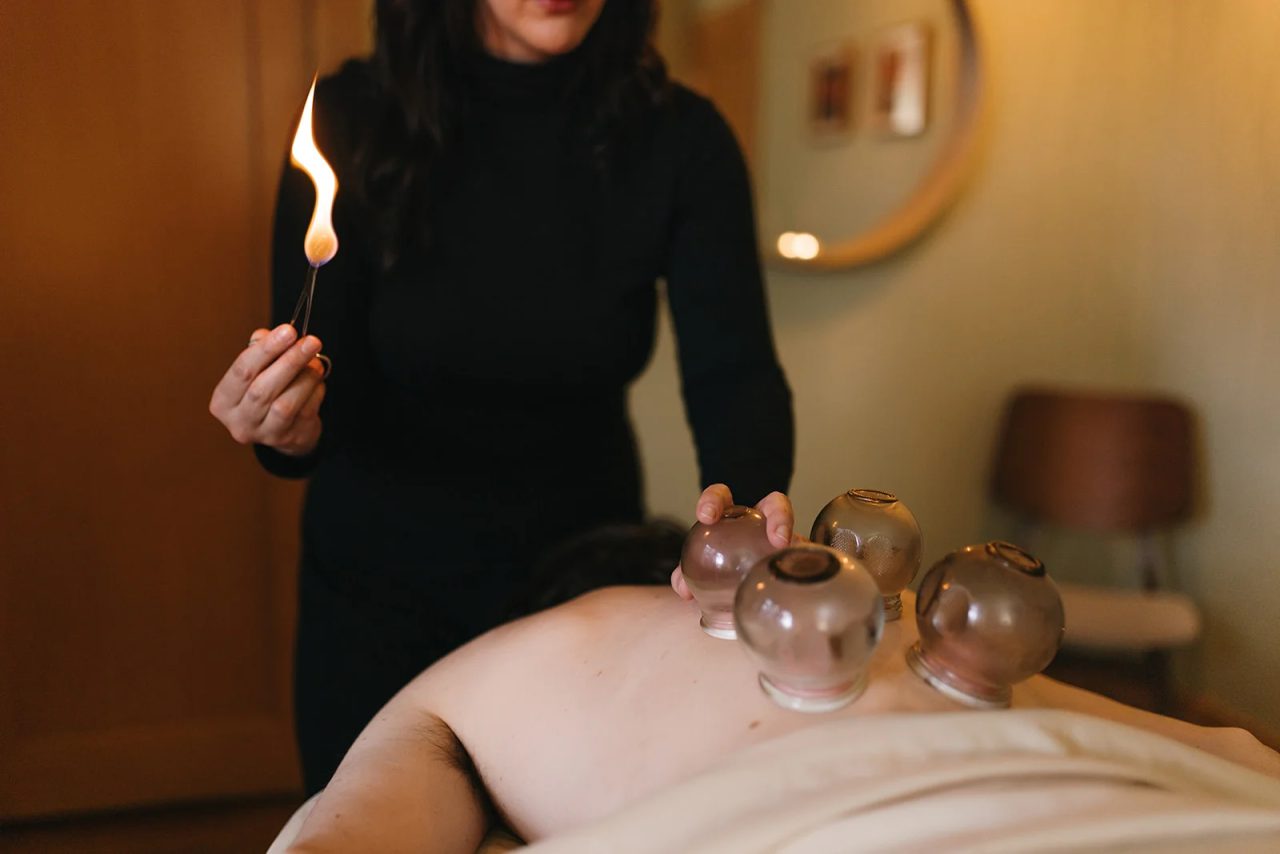
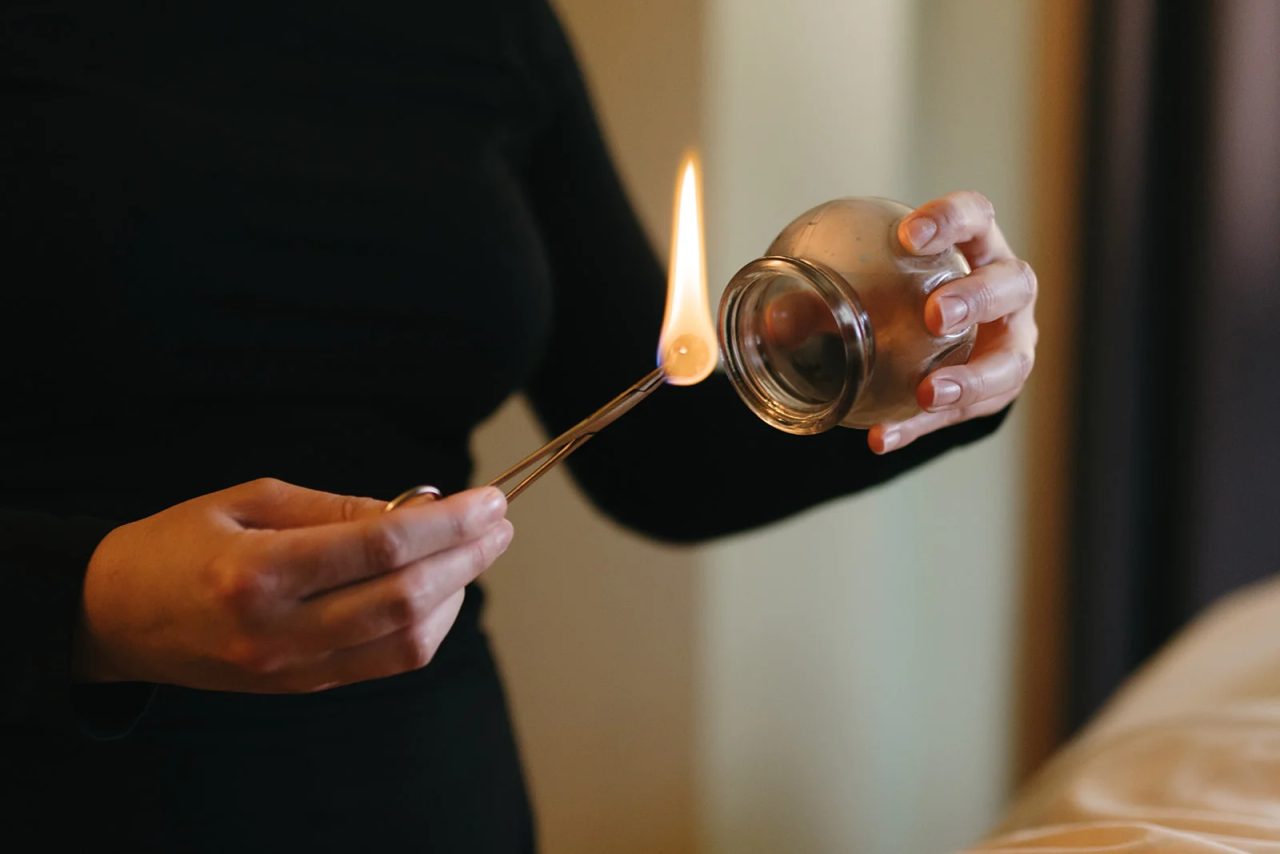
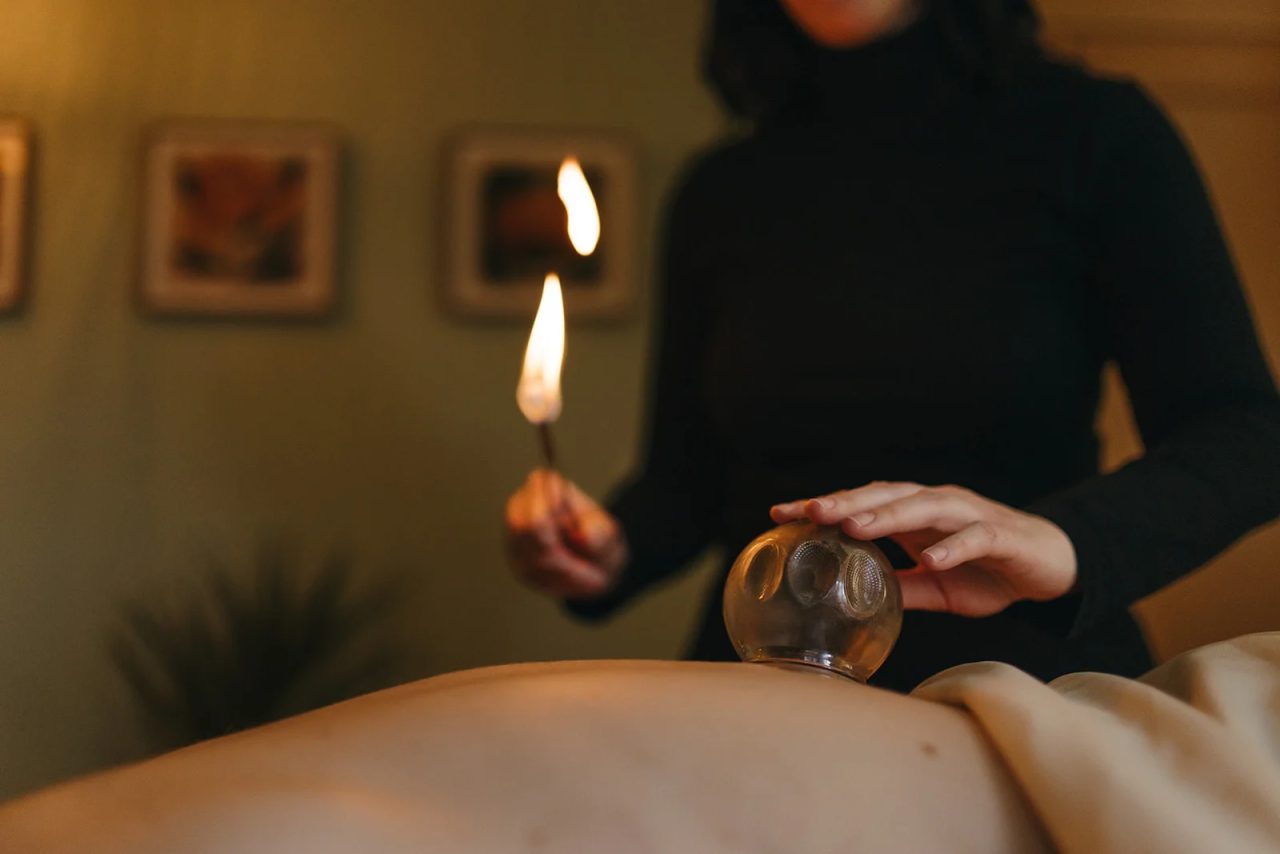
Cupping is suction. Your practitioner sets glass or silicone cups on the skin and draws the tissue up into them. Some cups sit still for a few minutes; others glide slowly along the back or shoulders over a little oil. With fire cupping, a flame warms the inside of the glass for a moment to create the suction, and it is gone before the cup ever touches you.
The feeling is a firm pull or a deep stretch rather than a pinch. If it is too much, say so, and your practitioner can lower the suction or lift a cup right away. Round marks are normal where the cups sat, anywhere from light pink to deep purple, and they fade on their own over several days. If you have a swim, a wedding, or a photo coming up, mention it, and we will plan where the cups go.
What the research says about cupping and respiratory symptoms
We would rather be straight with you than oversell. The National Institutes of Health's summary says cupping may help reduce pain, but that the evidence is not very strong and most of the research is of low quality. [2] A 2021 map of the systematic reviews reached a similar place: cupping shows potential for musculoskeletal and some skin conditions, including neck pain and low back pain, and the reviews themselves ranged from moderate to critically low quality. [3]
On colds specifically, the record is thinner still. That evidence map does not mention respiratory illness at all. [3] The most cited trial we could find is a 60-person study from China in 2011 that compared two cupping durations against each other, with no untreated group, so it cannot tell you whether cupping beat doing nothing. [4]
So the honest framing is this: cupping is a comfort measure for the muscles, not a treatment for the virus. The virus runs its course either way. What cupping can change is how your back and ribs feel while it does.
How a cupping session works here
Cupping has no price of its own and cannot be booked by itself. It happens inside an acupuncture or massage appointment, so that visit's length, price, and insurance coverage apply. Our cupping page lists which acupuncturists and massage therapists use it; book with one of them, then mention cupping in your intake note or at the start of the session.
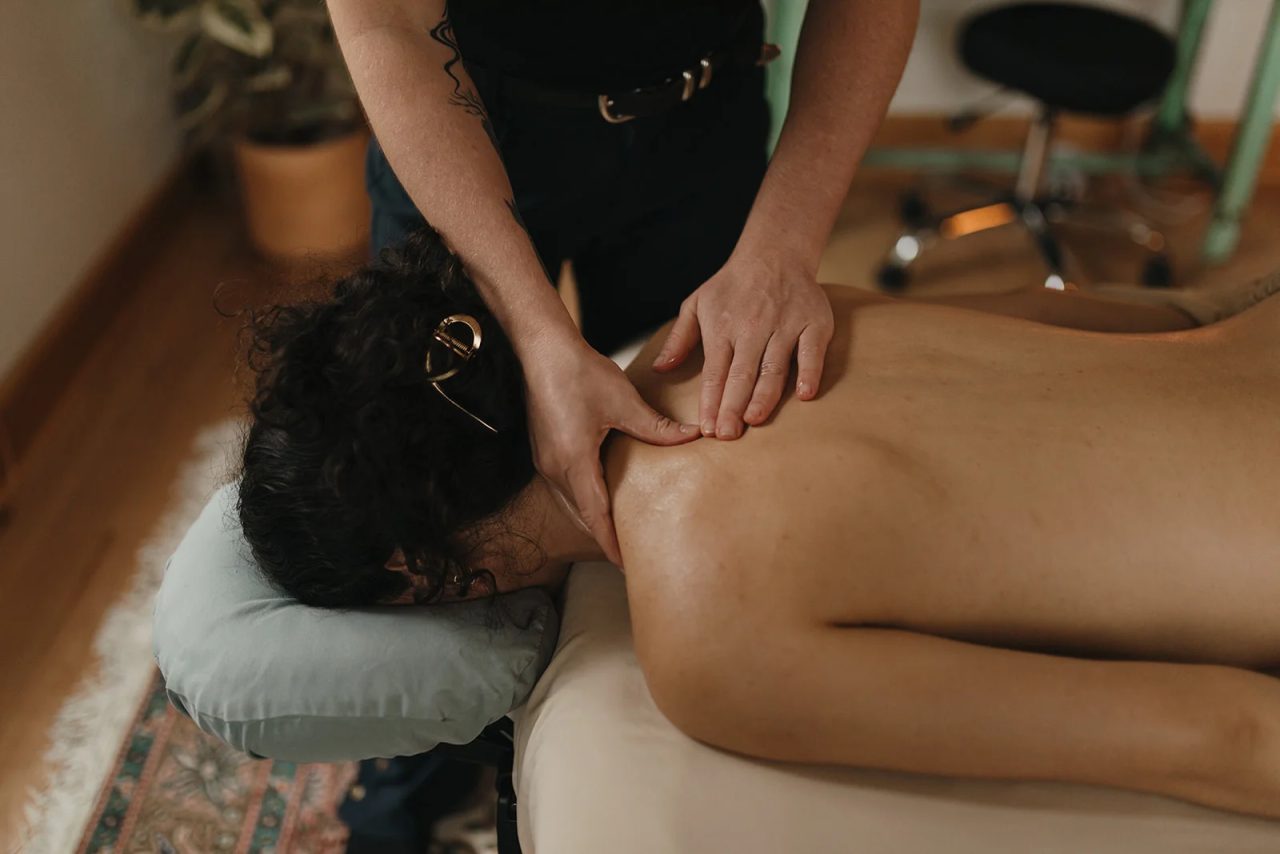
In a cold-season visit, cupping usually goes on the upper back, between the shoulder blades, sometimes across the tops of the shoulders. Your practitioner will combine it with whatever else fits: gua sha, myofascial work, or, in an acupuncture visit, needles for the stress and poor sleep that ride along with being sick.
Who should skip cupping, or ask first
Cupping is low-risk for most adults, but it is not for everyone. The NIH lists persistent skin discoloration, scars, burns, and infection among the possible side effects, and notes that it may worsen eczema or psoriasis. [2] Based on that and on the screening questions on our cupping page, tell your practitioner before cupping if any of these apply: [5]
- You take blood thinners or have a bleeding or clotting disorder.
- There is broken skin, a rash, eczema, or psoriasis where the cups would go.
- You are pregnant, or might be. Your practitioner decides whether and where cupping fits that day.
- You are running a fever or feel acutely ill today. A rest day beats a treatment day.
- You have had cupping before and the marks were slow to fade or unusually dark.
None of these is a lecture. They are the questions we ask anyway, and the answer is usually "fine, let's go."
Pairing cupping with acupuncture when you are sick
Acupuncture is on the World Health Organization's list of conditions where it has been studied, and our acupuncturists see a lot of people in February who are not sick enough to stay home but not well either. A typical visit addresses the whole picture: the muscle ache, the shallow sleep, the stress of being behind at work. Cupping is one tool inside that session.
If you are new here, start with our first-visit checklist, then check the insurance chart to see which practitioners take your plan. Cupping follows the coverage of the visit it is part of.
One more thing we say to everyone this time of year: if your cough comes with a high fever, trouble breathing, chest pain, or it is simply not improving after a couple of weeks, see your doctor or urgent care first. We are glad to help you feel better in your body; we are not the place for a chest X-ray.
Ready to try it? Book an acupuncture or massage visit with one of the practitioners on our cupping page and tell us you would like cupping.
Sources
- Oregon Health Authority, "OHA urges vaccinations as flu activity rises, holidays approach," 2025-12-04. https://www.oregon.gov/oha/erd/pages/oha-urges-vaccinations-as-flu-activity-rises-holidays-approach.aspx
- National Center for Complementary and Integrative Health (NIH), "Cupping," page updated November 2018. https://www.nccih.nih.gov/health/cupping
- Choi TY, Ang L, Ku B, Jun JH, Lee MS. "Evidence Map of Cupping Therapy." Journal of Clinical Medicine, 2021;10(8):1750. https://pmc.ncbi.nlm.nih.gov/articles/PMC8073851/
- Ye XF, Zhang HF, Pang ZW. "Therapeutic effects of common cold of wind-cold type at early stage treated by different cupping duration" (in Chinese). Zhongguo Zhen Jiu, 2011;31(4):357-359. PMID 21528605. Sixty participants, two cupping durations compared, no untreated control.
- Mandala Medicine & Wellness, cupping service page (practitioners, booking rule, screening questions, marks), read 2026-10-07. https://mandalamed.com/services/cupping
Questions
Not the cold itself. There is no good evidence that cupping shortens a cold or the flu, and we do not claim it does. It may ease the tight muscles across your back and ribs that come from days of coughing, and many people simply find the session relaxing while they are under the weather.
The marks are not bruises in the usual sense and rarely hurt. They range from light pink to deep purple depending on your skin and the suction used, and they fade on their own over several days. Tell your practitioner if you have an event coming up.
No. At Mandala, cupping is part of an acupuncture or massage appointment. Book with a practitioner who offers it and mention cupping when you arrive; the visit's price and insurance coverage apply.
The flame is used for a second to warm the air inside the glass, and it is removed before the cup goes on your skin. Burns are a listed risk of cupping in general, which is why it is done by licensed acupuncturists and massage therapists here, not at home. If you would rather avoid the flame altogether, ask for silicone cups.
No. Rest, fluids, and a call to your doctor if the fever is high or lasts more than a few days. Book cupping for the week after, when the ache has outlasted the virus.